

How can we preserve natural ice rinks during mild winters? Can green roofs cool cities during heatwaves? And how can we make invisible cables visible without digging? These questions—and many more—are being explored in the brand-new UT FieldLab, officially opened on 2 October on the University of Twente campus.
A field lab for the future
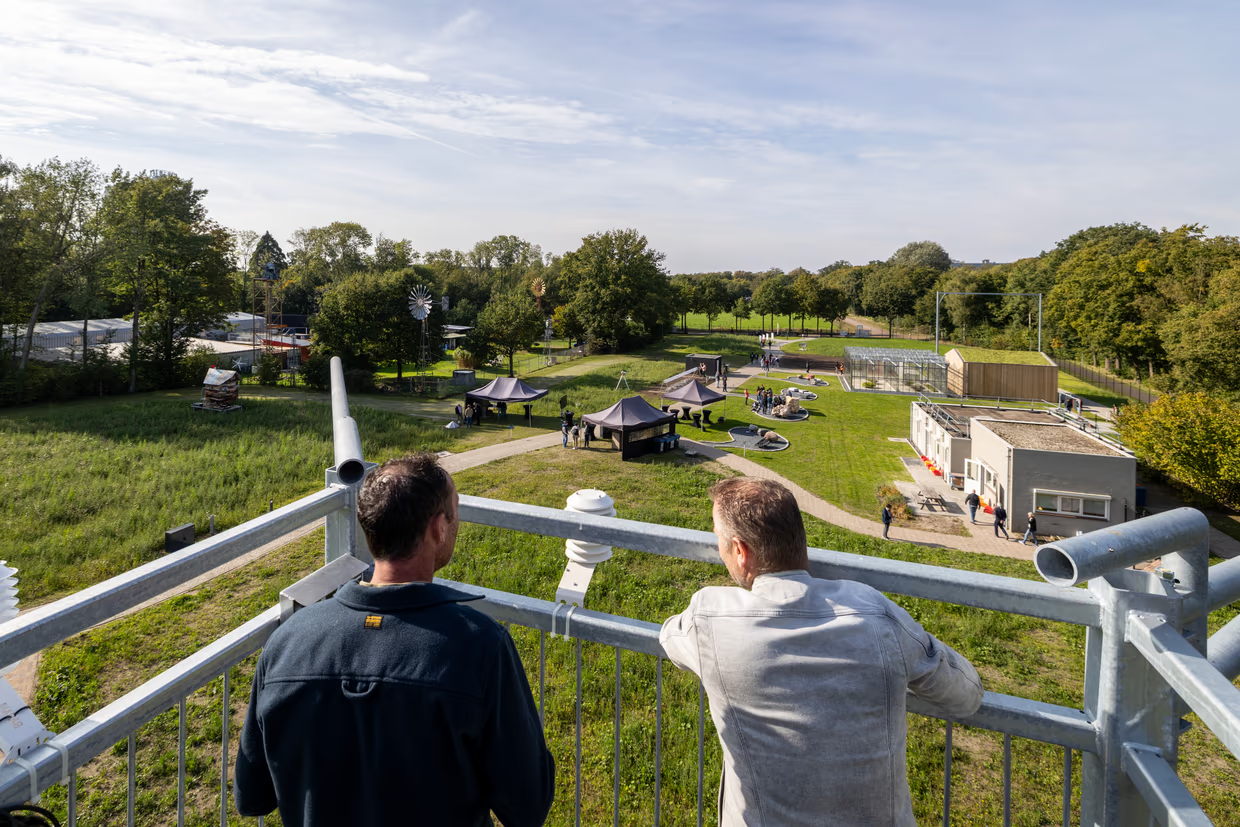
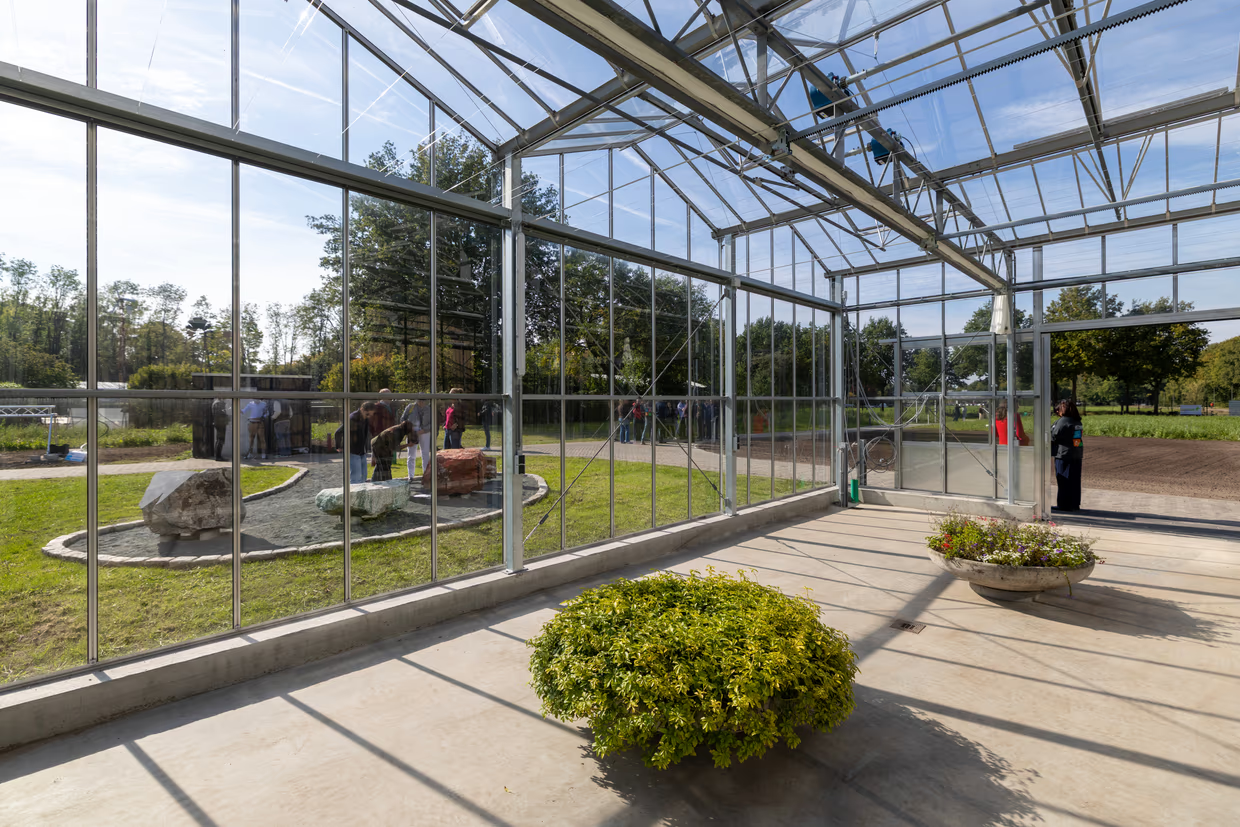
The UT FieldLab is a semi-controlled outdoor environment for experimentation, observation and training. Students, researchers, companies and societal organisations collaborate here on solutions to pressing challenges related to climate change, resilient urban design and food security.
From natural ice to smart plant monitoring
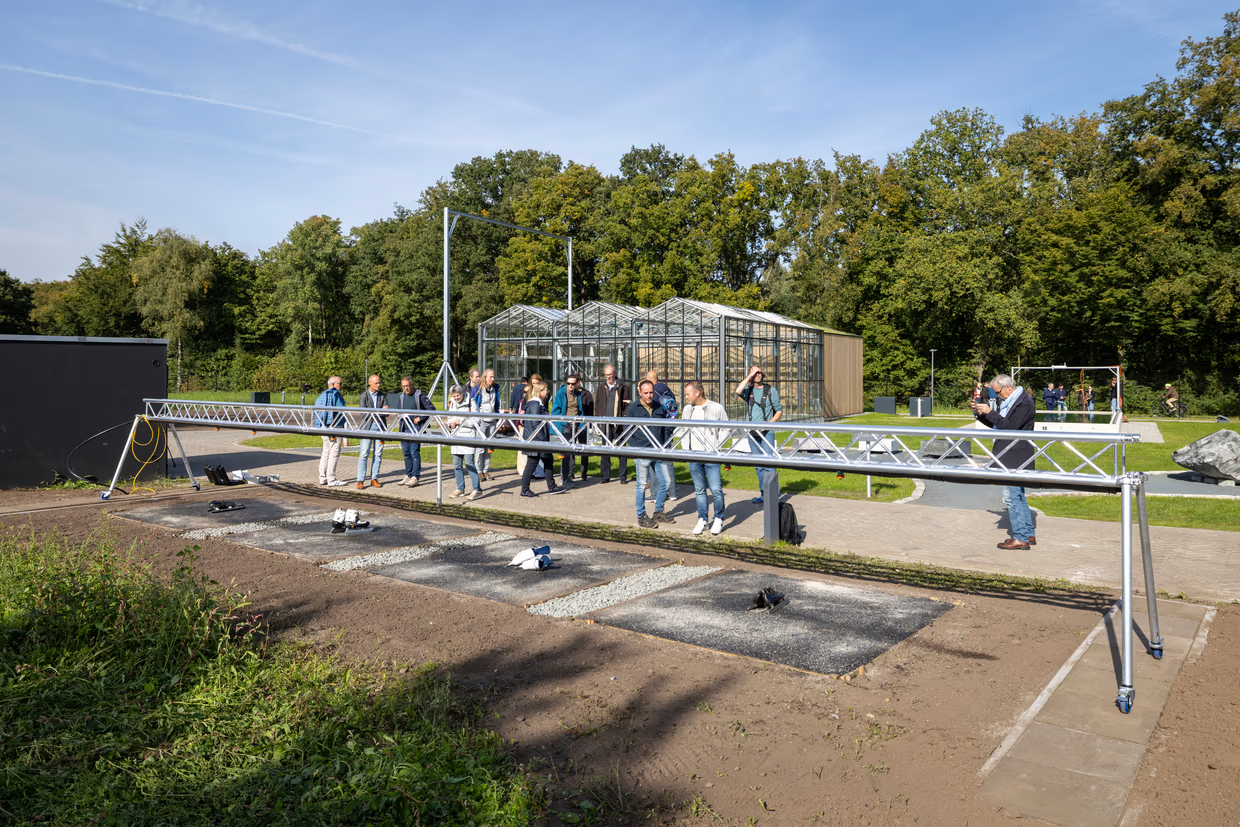
The UT FieldLab currently hosts more than fifteen experiments, both above and below ground, across multiple themes. A selection:
- Natural ice in mild winters – KNSB Ice Track Test Beds
In collaboration with the Royal Dutch Skating Federation (KNSB), this experiment explores how to accelerate ice formation on natural rinks—even at temperatures just around freezing—preserving a cherished Dutch tradition. - Cooling the city – Green roofs and façades
Green roofs and façades help mitigate urban heatwaves, reduce water runoff and may even improve solar panel efficiency. - Smart plant monitoring – Spot a thirsty plant from the sky
Using cameras and sensors, researchers test whether plant stress can be detected early, helping farmers use water more efficiently. - Making invisible cables and pipelines visible
The Dutch subsurface is full of cables and pipelines, but maps are often inaccurate. This experiment uses radar, acoustics and AI to create 3D images of the underground—without digging—reducing damage and costs.
A festive opening with a scientific twist
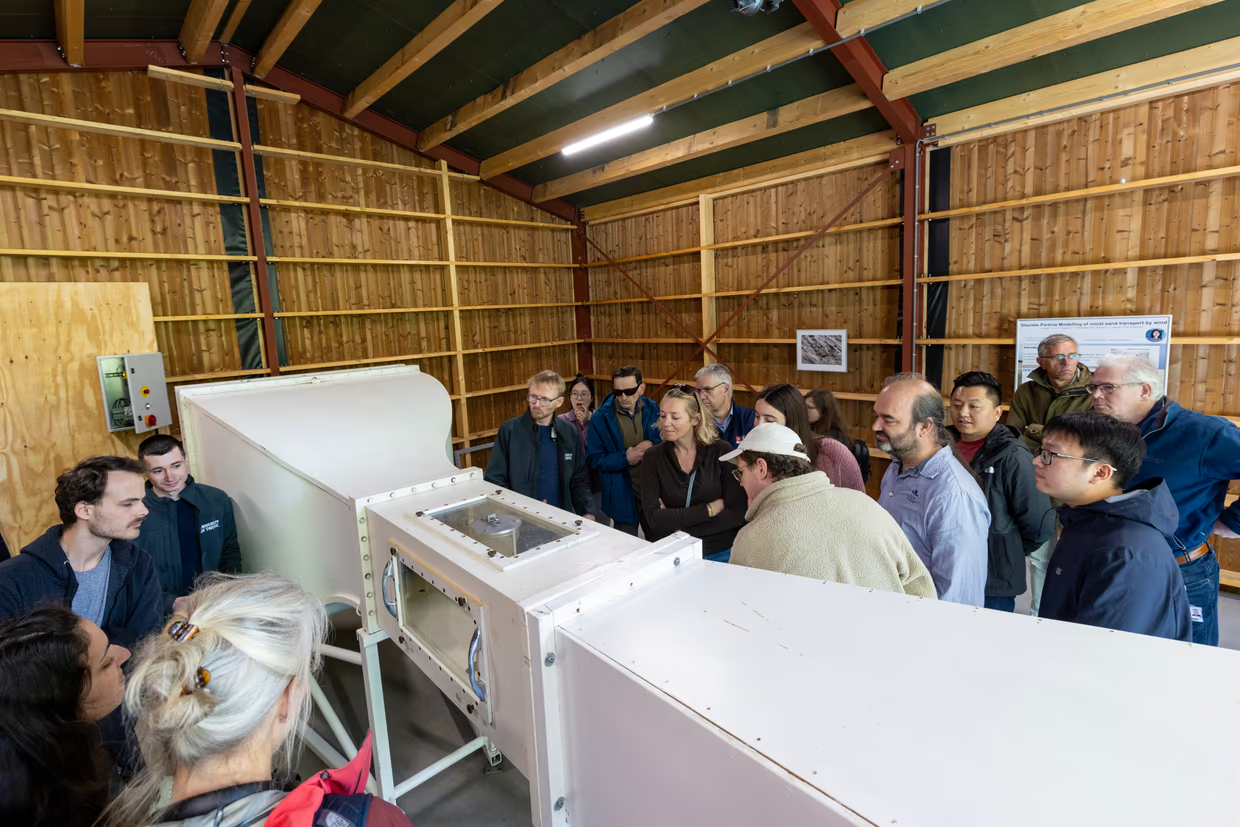
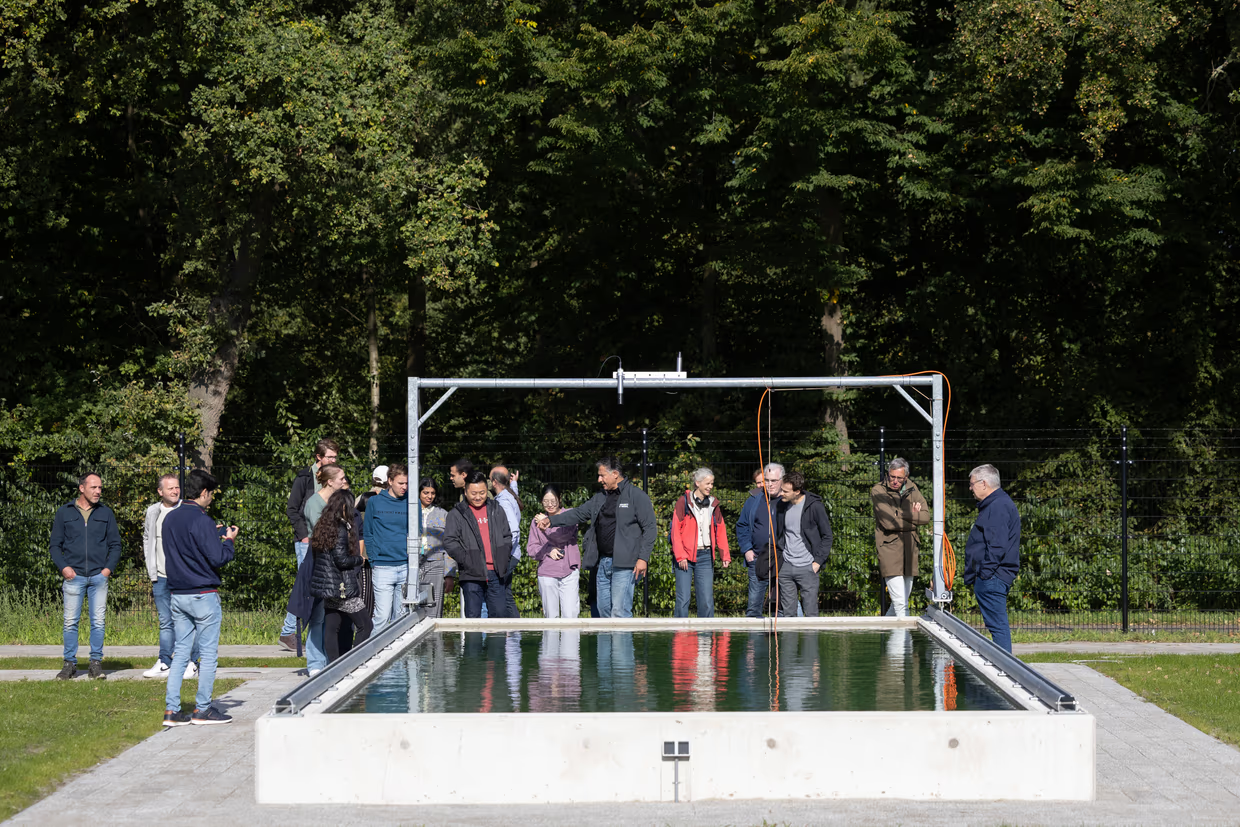
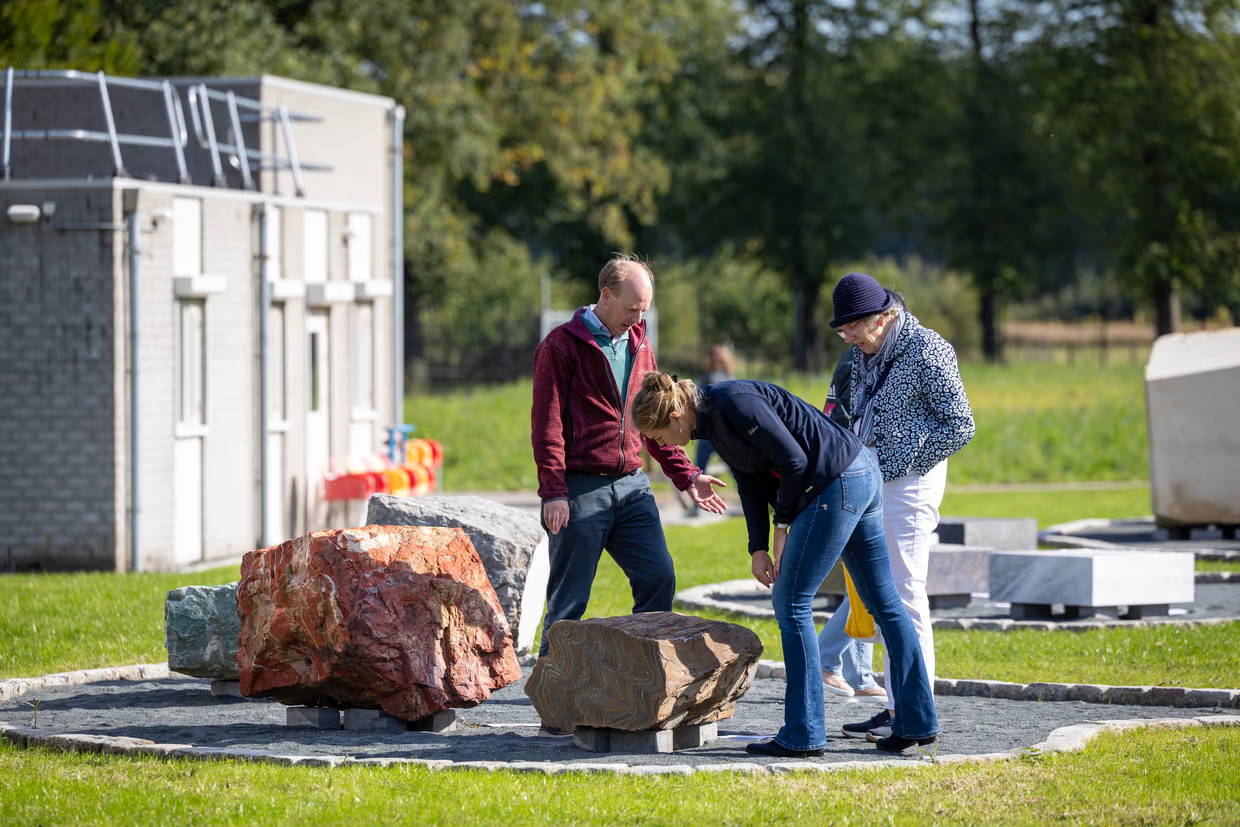
During the festive opening on Thursday afternoon, visitors toured the site, including the wind tunnel, water basin, stone garden and greenhouse. Partners such as Heijmans and KNMI expressed their excitement about future collaborations. Rector magnificus Tom Veldkamp addressed the audience: “The idea for the FieldLab was born more than a decade ago. It began as a vision: to create a space where we could bridge the gap between controlled laboratory conditions and the complexity of the natural and urban environments we live in. A place where we could calibrate instruments, test new technologies, and train the next generation of researchers—not in theory, but in practice. With support from the faculties of ITC and ET, and later many others, we turned that vision into reality. Today, we stand on the result of years of collaboration, innovation, and dedication.”
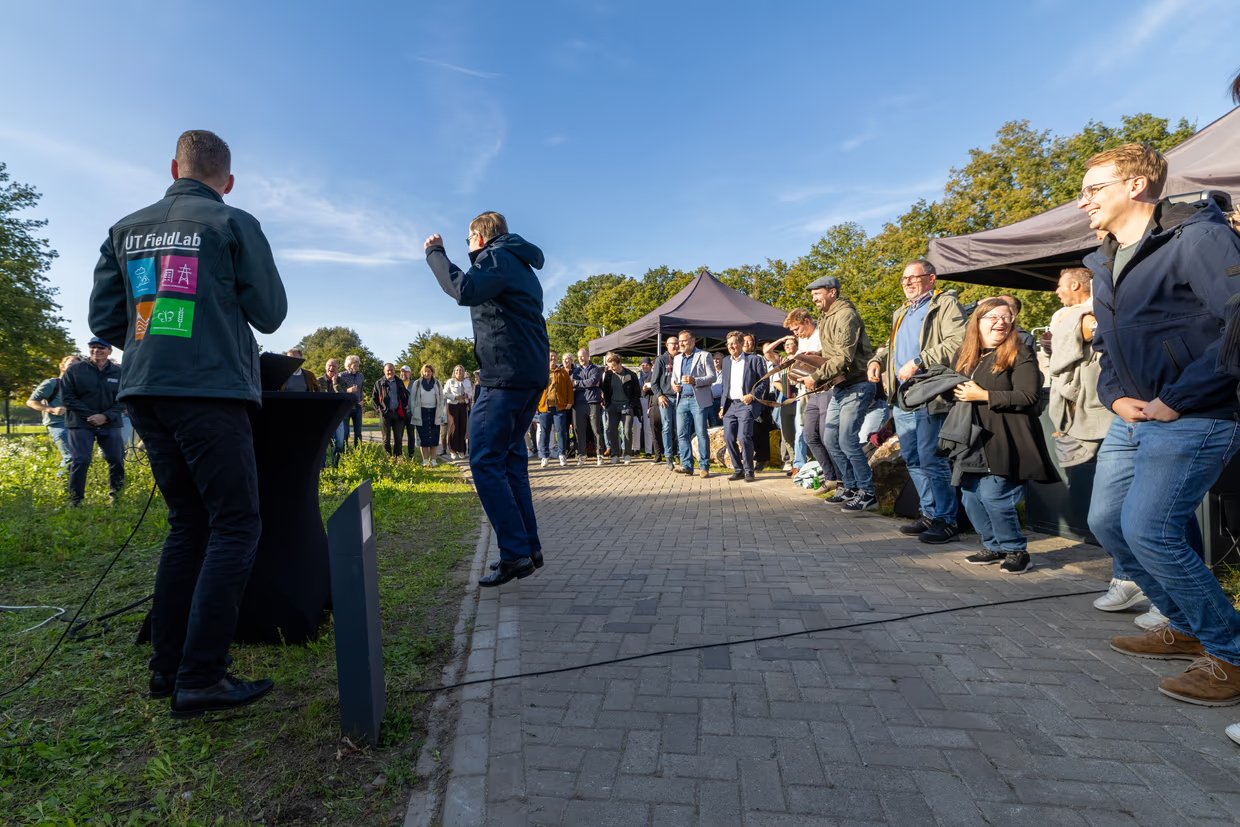
The opening concluded with a fitting experiment: attendees jumped simultaneously on the site while sensors measured the impact—testing whether their collective leap could simulate a small earthquake.
More information
Want to learn more about UT FieldLab? Head over to www.utwente.nl/utfieldlab to learn more.
More recent news
 Thu 5 Mar 2026Tom Loran says goodbye to ITC
 Thu 19 Feb 2026Project SEEN‑ATLAS Receives European Funding
 Wed 18 Feb 2026Master's in Geo-information Science and Earth Observation recognised as an initial Master's
 Wed 18 Feb 2026Prototype 'digital twin' helps Enschede better predict groundwater
 Thu 12 Feb 2026Calisto Omondi 500th PhD graduate